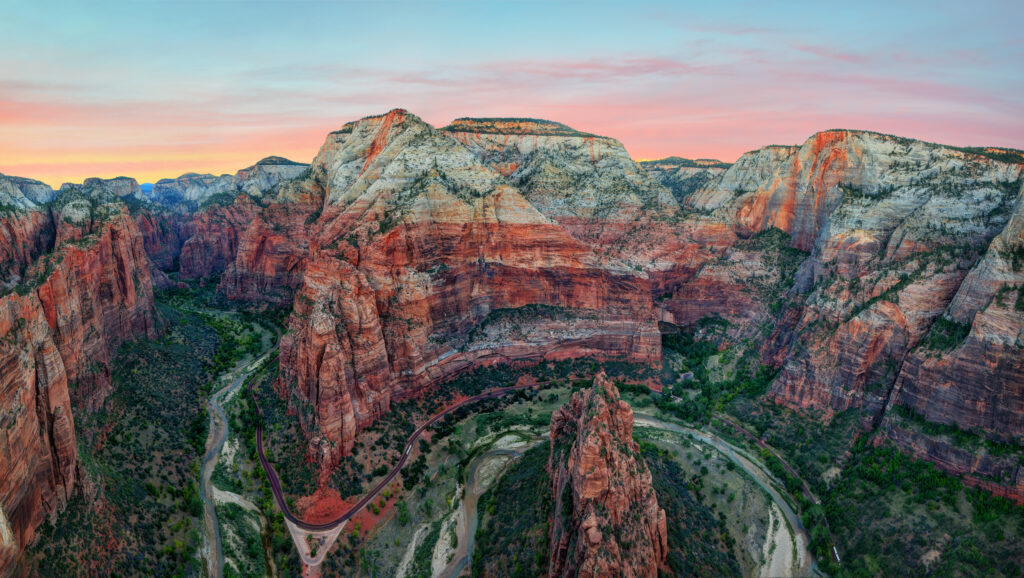
Winter hikes Zion National Park can feel like you found a secret version of the park, the same red rock walls and big sky, but without the shoulder to shoulder traffic that defines spring break and early summer. The problem is that many visitors skip winter because they assume everything is closed, the trails are unsafe, or the weather will ruin the trip.
In reality, winter is often the easiest time to move through the main canyon, find parking, and enjoy long viewpoints without the noise. You still need to respect ice, short daylight, and cold water, but those are solvable problems with the right trail choices and a little planning.
This guide walks through reliable winter options in and around Zion, plus a few solid picks for hiking near St George Utah when the higher elevations are colder. You will also get practical gear notes, weather and road reminders, and a clear way to decide which trails make sense for your group on any given day.
Winter Hikes Zion National Park Trails That Stay Accessible
If your goal is to get classic Zion scenery with minimal logistics, start with trails that remain approachable even when the temperature drops. The Pa’rus Trail is a good baseline. It is mostly flat, follows the Virgin River, and gives you canyon views right away, which makes it perfect for an arrival day, a recovery day, or a family group that wants to keep things simple.
The Watchman Trail is another winter friendly option because it gains elevation quickly and gives you a wide view over the canyon without committing you to narrow ledges or high exposure. On clear winter mornings, the light can be sharp and clean, and the air often feels still, which makes the overlook feel more dramatic than it does in the heat of summer.
For a short hike with a big payoff, Canyon Overlook can be a strong choice if conditions are reasonable. The trail is brief, but winter ice can linger in shaded sections, so this is one place where traction can turn an anxious walk into a relaxed one. If the rock is wet or you see continuous ice, treat that as your signal to pivot to a lower risk option.
Kolob Canyons is also worth considering as part of your winter hikes Zion National Park plan. It can feel quieter than the main canyon, and the scenery is still unmistakably Zion. Just remember that winter storms can affect road access and traction quickly, so check current conditions before you drive, and keep your turnaround time conservative.
Winter Hikes Zion National Park Plus Southern Utah Trails Near St George
Sometimes the best winter day is the one where you stay lower, find sun, and hike in a place that holds heat better than the canyon shadows. That is why pairing winter hikes Zion National Park with nearby southern Utah trails is such a smart move. You can keep your schedule flexible and still get a strong day outside even when Zion has slick spots.
Snow Canyon State Park is a popular choice for hiking near St George Utah because it offers red rock scenery, lava flows, and wide open trails that often stay manageable in winter. The terrain is varied, so you can pick a route that matches your comfort level, and it is an easy add on for travelers who are doing off-season national park travel and want more than one hiking zone.
Red Mountain and the trail systems around Ivins and Santa Clara can also work well when you want mileage without the crowd funnel you sometimes see in the Zion canyon corridor. You will still want to watch for sand over rock, brief icy patches, and chilly wind, but the overall risk profile can be lower than shaded canyon routes after a cold night.
If you are aiming for a view driven day, consider routes that climb to open ridgelines rather than slotting into narrow drainages. In winter, the sun angle is lower, and that changes the feel of the landscape. You can often see farther, the contrast in the cliffs is stronger, and photography is easier because you are not fighting midday glare.
Winter Hikes Zion National Park Gear Safety and Weather Reality Checks
The fastest way to enjoy winter hikes Zion National Park is to plan for the specific problems that winter creates, not the ones people imagine. The big three are traction, temperature swings, and time. A trail that feels warm in the sun can drop fast when a cloud rolls in or when you step into shade, and short daylight can turn a casual outing into a rushed descent.
Start with your feet. If you only make one winter upgrade, add traction and a warm sock system that does not get clammy. Microspikes or another reputable traction option can make a surprising difference on packed snow and slick rock. You also want footwear that stays comfortable when wet, because melting snow and shallow water crossings can soak you even on a dry day.
Next, treat layering as your safety margin. A base layer that manages sweat, an insulating mid layer, and a wind resistant outer layer will cover most winter hiking days in southern Utah. Pack gloves and a warm hat even if the parking lot feels mild, because viewpoints are often breezier, and wind can bite fast once you stop moving.
Water and navigation still matter in winter. You can dehydrate even in cold air, and some people drink less without realizing it. Keep a headlamp in your pack, carry a simple backup power option for your phone, and download maps before you lose service. If you plan to enter water, including in The Narrows, treat cold water exposure as a serious variable and do not rely on guesswork, local outfitters can help you choose safe gear for the day.
Finally, build a weather habit that is specific to your route. Look at forecast temperatures, wind, and the chance of precipitation, then translate that into trail conditions like ice in shade, snow on slickrock, and muddy sections that slow your pace. If you see a storm window, adjust your hike time, shorten your plan, or swap to a lower elevation option near St George.
Winter Hikes Zion National Park Plan Your Next Cold Season Trip
A good winter trip comes down to choosing the right trails, bringing the right tools, and staying flexible when conditions change. If you focus on accessible options like Pa’rus and Watchman, add a second zone for variety with southern Utah trails near St George, and treat traction and daylight as non negotiables, winter becomes less intimidating and a lot more fun.
Your next step is to pick one primary hike and one backup hike for each day, then check conditions the night before and again in the morning. If a trail looks icy, do not force it, swap to a sunnier route or a lower elevation plan and keep moving. That mindset is the difference between a stressful trip and one that feels calm and well run.
If you are planning winter hikes Zion National Park for the first time, share your trip window and hiking style with your travel group, then decide what matters most, big views, quiet miles, or a mix of both. When you nail that, the trail choices become simple.
Want help picking the best winter route for your schedule? Leave a comment with your dates, fitness level, and whether you prefer views, river walks, or longer climbs, and I will point you toward a strong plan you can actually follow.