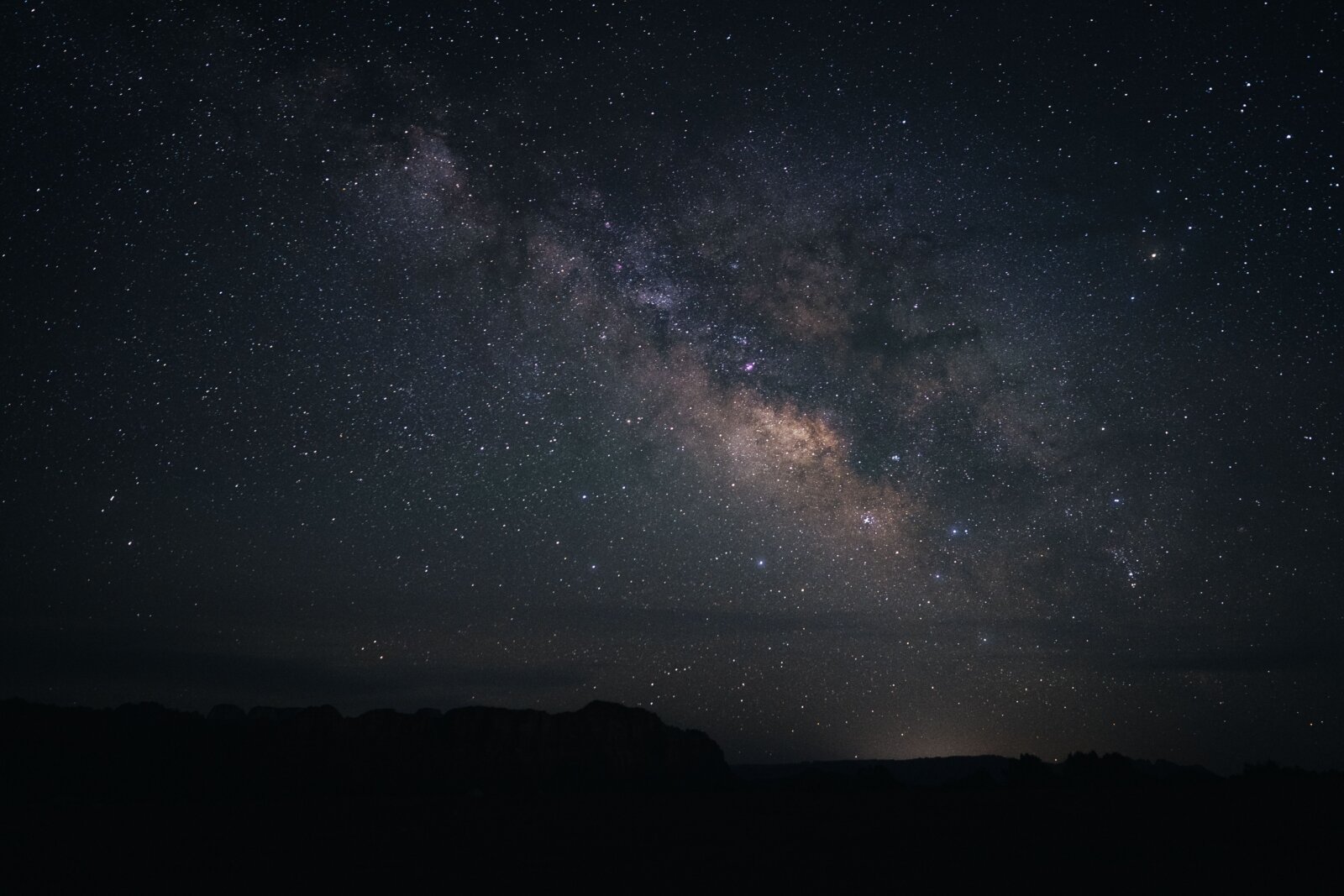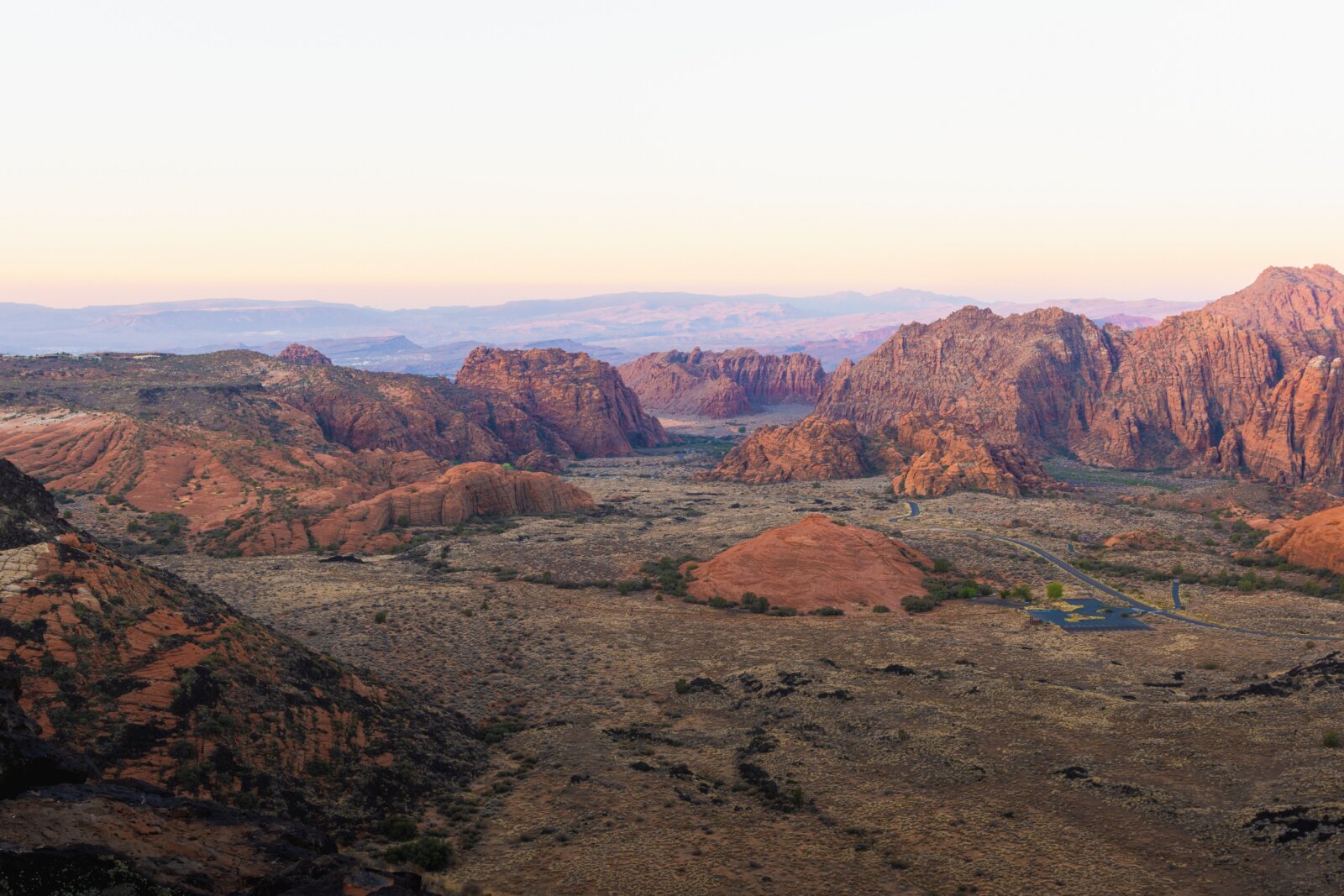
Southern Utah has quietly become one of the best places in the country to see a real night sky. Between low humidity, high elevation, and a growing list of certified dark sky parks in Utah, you have real options close by. You can drive less than an hour from St. George and watch the Milky Way stretch overhead. Most people never get to see that from where they live.
That distance keeps shrinking too. Snow Canyon State Park earned its own dark sky certification in December 2025, putting a genuinely dark site closer to St. George than ever before. For RV travelers already based in the area, that means a serious stargazing night no longer requires a long drive or an overnight trip.
This post covers why Southern Utah stands out for stargazing and which certified parks sit within a day trip of St. George. It also walks through how to time a visit around the new moon and what first timers should bring. By the end you will have a clear plan for your own night under a dark sky.
Why Southern Utah Ranks Among the Best Dark Sky Regions
The conditions here line up in a way that is hard to find elsewhere. Low humidity means fewer hazy nights. High desert elevation puts you above some of the atmosphere that scatters light in lower, wetter regions. Utah also has fewer large cities spreading light pollution across the landscape than most states its size.
Utah holds more certified dark sky parks than almost anywhere else on earth. Southern Utah carries a big share of that total. Snow Canyon, Zion, Cedar Breaks, and Bryce Canyon are all within a few hours of St. George. That concentration is rare. Most regions have one good dark sky site within reach, not four.
Snow Canyon’s new certification adds to that strength. DarkSky International designated the park an Urban Night Sky Place in December 2025. The recognition came after staff retrofitted every light fixture in the park to meet dark sky standards. It is now the closest certified site to St. George, at roughly twenty to thirty minutes away.
For anyone staying at an RV resort in the area, this turns stargazing into something you can do on a whim. It no longer requires planning a whole trip around it. Southern Utah rewards spontaneity here in a way that most destinations simply cannot.
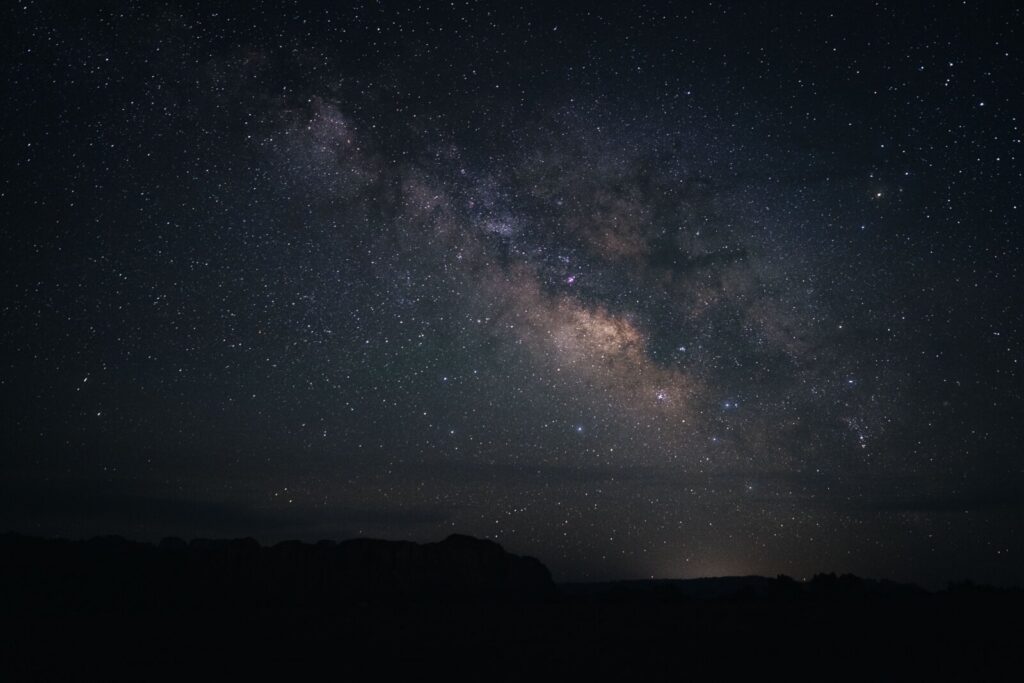
Certified Parks Within a Day Trip of St. George
Snow Canyon State Park is the closest and easiest option. The park stays open until ten at night, and after that only day-use areas close. Campers can stay out under the sky well past closing. Our Snow Canyon State Park day visit guide covers the trails. The official DarkSky page for Snow Canyon has the full certification details if you want to see exactly what earned the park this recognition.
Zion National Park sits under an hour away and has held its own dark sky certification since 2021. Lava Point, reached via Kolob Terrace Road, is the darkest accessible overlook in the park and sits well above the canyon floor. Cedar Breaks National Monument is about ninety minutes out and runs free ranger-led star parties on Saturday evenings through Labor Day. Its elevation above ten thousand feet means you need real layers even in summer.
Bryce Canyon National Park is the furthest of the group at roughly two to two and a half hours, but it is also the darkest. The park runs about a hundred astronomy programs a year, along with full moon hikes and nightly ranger talks. Bryce also hosts an annual multi-day Astronomy Festival each June. This year’s festival already wrapped on June 13, so mark next June for that specific event. The official Bryce Canyon astronomy programs page lists the current schedule if you want to build a trip around a ranger program instead. Our Bryce Canyon day trip guide covers the rest of what to see there.
One correction worth making here. Kodachrome Basin State Park is often listed online as a certified dark sky park. That designation was actually withdrawn in 2023 at the park’s own request. The skies there are still excellent, but it is no longer part of the official certified list. It is worth knowing that before you plan a trip around the designation itself.
Timing Your Visit Around New Moon Windows
The moon controls almost everything about how dark the sky actually gets. A full moon washes out the Milky Way and most faint stars, while a new moon lets the sky reach its darkest possible state. For 2026, the new moons fall on August 12, September 10, and October 10.
The best viewing window runs roughly three days before and three days after each new moon date. Outside that window, moonlight starts to interfere more with faint detail, though bright planets and constellations remain easy to see any night. Plan around whichever new moon date fits your schedule best.
Southern Utah’s monsoon season complicates the middle of that calendar. Afternoon and evening thunderstorms are common from mid-July through mid-September, which is also peak Milky Way season for this latitude. That overlap means July and August carry real cloud cover risk on any given night.
Late September and October tend to deliver the most reliable clear skies once the monsoon pattern breaks. You trade a slightly shorter nightly view of the Milky Way core for much better odds of an actually clear night. Check the forecast the same afternoon before committing to a drive, since a single storm cell can ruin an otherwise perfect new moon window.
What First Timers Should Bring and Expect
Your eyes need real time to adjust once you arrive. Full dark adaptation takes twenty to forty five minutes, and a single glance at a bright phone screen resets that clock. A small red flashlight solves this, since red light does not disrupt the night vision your eyes have already built up.
A few apps make the whole experience easier. Stellarium is free and identifies constellations and planets in real time just by pointing your phone at the sky. PhotoPills helps plan exactly where the Milky Way will sit relative to the landscape if you want to photograph it. That matters more than people expect when composing a shot.
Photography does not require expensive gear anymore. Many current smartphones have a night or astrophotography mode capable of capturing the Milky Way on a tripod. It uses a fifteen to thirty second exposure and manual focus set to infinity. If you are using a dedicated camera, a wide lens around f2.8 works well. Pair it with an ISO between 1600 and 6400 and a similar exposure time for a usable first shot.
Dress warmer than you expect. Southern Utah desert nights drop fast once the sun sets. Higher elevation sites like Cedar Breaks and Bryce Canyon get genuinely cold even in summer. Bring a real jacket, closed shoes, and something to sit on, since the best stargazing sessions last longer than most people plan for.
Planning Your Own Dark Sky Parks Utah Trip
Southern Utah gives you a rare mix of easy access and genuinely dark skies. Snow Canyon works for a spontaneous evening close to home. Cedar Breaks and Bryce Canyon reward a planned trip built around a new moon date and warm layers. Either way, the region delivers a sky most visitors have simply never seen.
Basing your trip out of one of the many RV parks in Southern Utah makes this even easier. You can chase a clear forecast without committing to a single fixed itinerary. If a storm rolls through one night, you simply try again a few days later. That flexibility is one of the real advantages of traveling by RV in a region built for stargazing. For more ideas beyond stargazing, our things to do in St. George, Utah guide covers the daytime side of your trip.
If you want help timing a stargazing trip around your visit, the Settlers Point team is happy to help you plan it. Reach out before you book so we can point you toward the clearest nights and the right park for your group.