Picking a place to stay near Zion sounds simple until you realize how much the location decision changes the trip itself. The RV parks near Zion National Park spread across a 45-mile stretch of Southern Utah. They range from the Springdale corridor at the park entrance to St. George nearly an hour west. Where you park your rig determines how early your alarm goes off and how much windshield time you burn each day. It also determines whether you come back to a basic gravel pad or a full-service resort after a long hike.
Most travelers search for the closest option and stop there. That works if proximity is all that matters. But for families, larger rigs, and trips longer than a weekend, the closest park is not always the best one. Some of the most popular RV campgrounds near Zion are small, cramped, and booked months in advance. Others sit 30 minutes away but offer better hookups, wider sites, and more flexibility on dates.
This post breaks down the real trade-offs between base camp locations near Zion. It covers how distance affects your routine, what each corridor offers, and how to match your rig and trip style to the right spot.
How Distance from Zion Shapes Your RV Park Experience
The south entrance to Zion National Park sits in Springdale, Utah. That is the gateway most visitors use and the access point for the Zion Canyon Scenic Drive and the park shuttle system. If you are staying in Springdale, you are five minutes from the entrance. If you are staying in Hurricane, you are about 25 minutes out. From the Washington and St. George area, you are looking at 40 to 50 minutes.
Those drive times sound manageable on paper. In practice, they compound over a multi-day trip. A 50-minute drive each direction means nearly two hours on the road per day. Over a five-day trip, that is almost 10 hours in the truck. For families with young kids, the backseat tolerance starts wearing thin by day three.
On the other hand, closer does not always mean better. RV parks in the Springdale corridor tend to be smaller, with tighter spacing and limited amenities. Many were built before the modern RV boom and designed for smaller rigs. If you are running a 40-foot fifth wheel, your options within 15 minutes of the entrance get very narrow.
The sweet spot for most RV travelers is somewhere between 20 and 40 minutes from the entrance. That range gives you a manageable commute while opening up parks with better infrastructure, wider sites, and full hookups. You lose a little proximity but gain a lot of comfort and flexibility.
Comparing Base Camp Locations for RV Parks Near Zion National Park
Springdale is the closest option and the most expensive. The town sits directly outside the south entrance, and the handful of RV parks here fill up months ahead during peak season. Expect smaller sites, higher nightly rates, and limited hookup options. The upside is obvious. You can walk or bike to the park entrance without starting the truck. For short trips built entirely around Zion Canyon, that convenience is hard to beat.
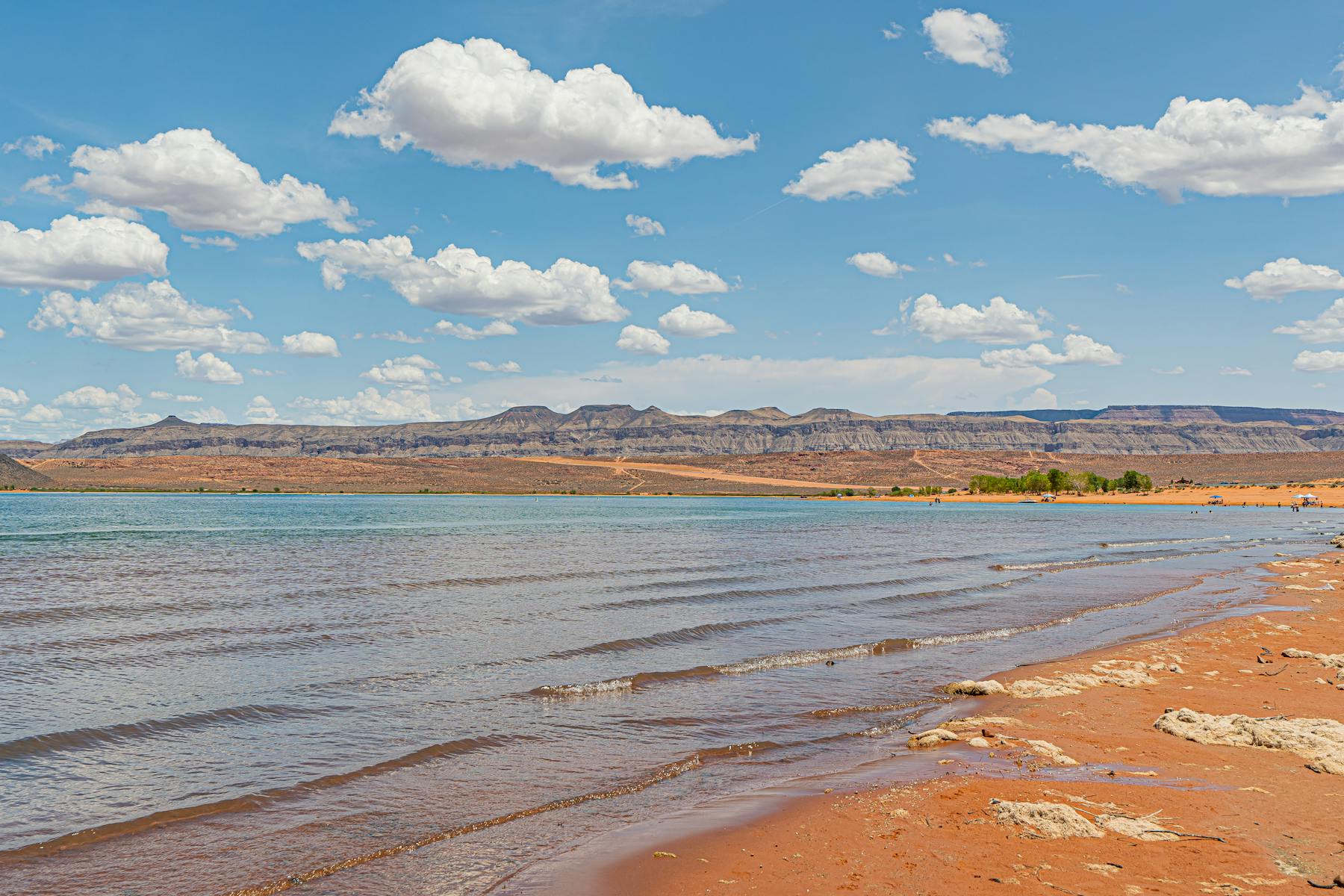
Hurricane sits about 25 minutes west and offers a middle ground. Several RV parks here provide full hookups and more reasonable rates than Springdale. The town has grocery stores, fuel, and restaurants, which means you avoid Springdale’s tourist pricing for supplies. Hurricane also puts you closer to Sand Hollow State Park if you want water recreation as part of your trip.
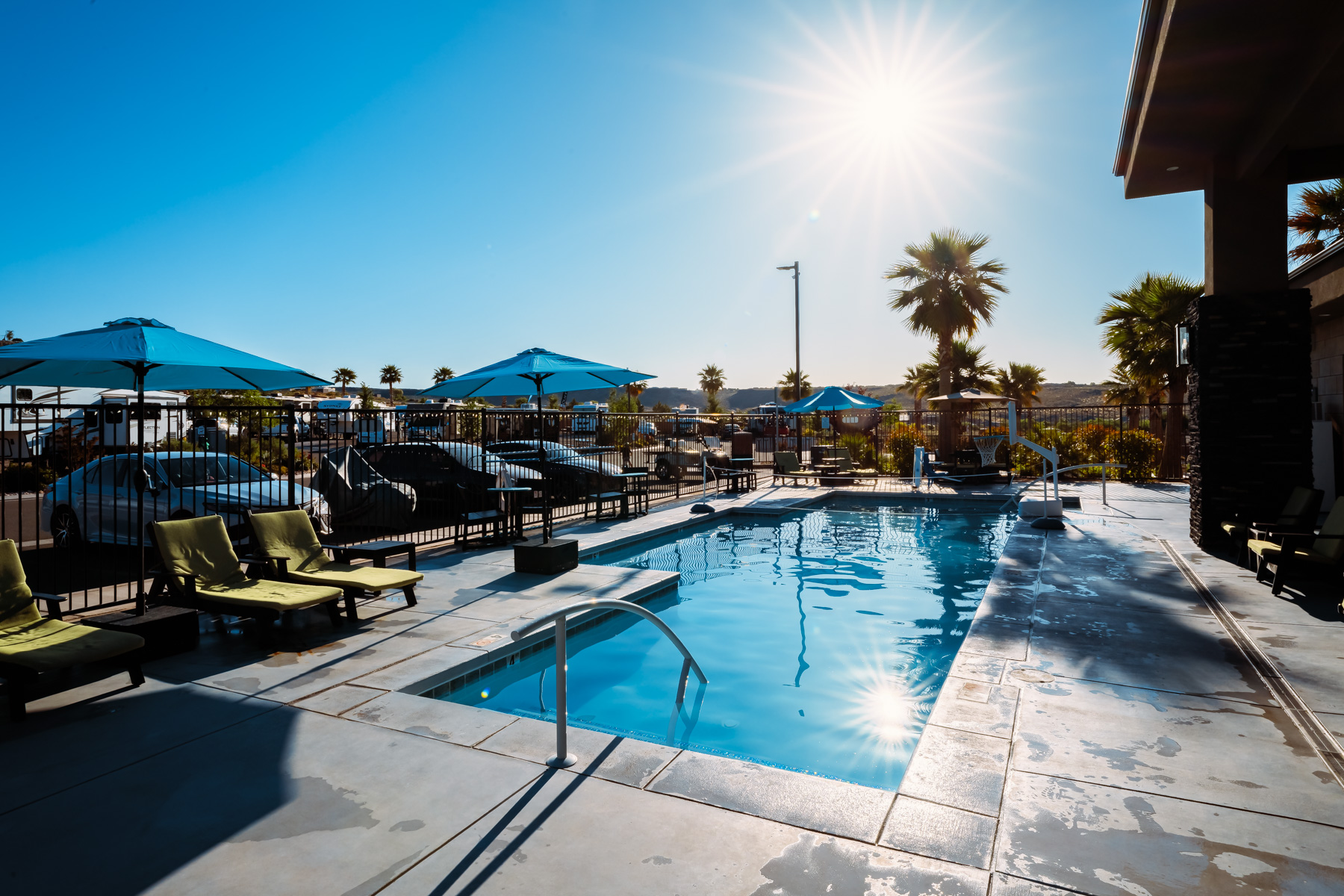
The Washington and St. George corridor adds another 15 to 20 minutes of drive time but opens up significantly more options. This is where you find larger resort-style RV parks with pools, pickleball courts, laundry facilities, and sites designed for bigger rigs. The trade-off is the commute, but for trips that include more than just Zion, this area makes a strong case.
Snow Canyon State Park is 20 minutes north of St. George. Sand Hollow is 20 minutes east. Red Cliffs is right there too. You are not just near Zion. You are near everything Southern Utah offers.
For travelers planning a week or longer, the broader St. George area often wins because it gives you the most range. You can hit Zion on two or three days and fill the rest with other parks, trails, and water recreation without relocating your rig.
Spring Booking Windows for RV Parks Near Zion
Zion National Park draws over four million visitors per year, and spring is one of the heaviest seasons. March through May brings warm weather, manageable crowds, and wildflower displays in the canyons. That means RV parks across the region start filling their spring calendars by December.
If you are targeting a spring break week, booking by early January is the safe play. Springdale properties often sell out for peak spring weekends before the new year even starts. Hurricane and St. George parks have a slightly longer booking window, but prime dates still disappear fast. Weekday stays are easier to lock in than weekends, so building your trip around a Monday arrival instead of a Friday gives you more options.
Cancellation policies vary by park, and that is worth checking before you commit. Some parks allow free cancellations up to 48 hours out, while others hold a deposit regardless. If your travel dates are flexible, booking early and adjusting later beats waiting and hoping. The travelers who lock in their base camp early get the best sites.
Matching Your Rig and Trip Style to RV Parks Near Zion
Rig size narrows your options more than most travelers realize. A Class B van or a small travel trailer under 25 feet fits into nearly any park in the region. That includes the tighter Springdale properties. Once you get above 30 feet, site availability drops. Above 40 feet, you are limited to the larger parks in Hurricane, Washington, and St. George that were designed with modern RV dimensions in mind.
Hookup needs matter too. If you are self-contained and comfortable dry camping, you can stretch into smaller parks and even dispersed BLM sites in the area. If you need 50-amp electric, water, and sewer at every stop, you need full-service sites. Not every park that lists hookups offers 50-amp service, so confirm before you book.
Trip style is the final variable. If your entire trip revolves around Zion and you plan to be in the park from sunrise to sunset, proximity wins. Stay as close as your rig allows and your budget supports. If your trip mixes Zion days with Snow Canyon, Sand Hollow, or St. George, a park in the Washington area gives you the most range.
Planning the Right Zion National Park RV Trip for Your Setup
The best base camp near Zion matches your rig, your schedule, and how many days you plan to spend inside the park. Springdale gives you the shortest commute but the fewest options for larger rigs and longer stays. Hurricane offers a workable middle ground with better amenities and prices. The St. George corridor trades a longer drive for better infrastructure, more flexibility, and access to everything Southern Utah delivers.
Start by confirming your rig length and hookup needs. Then check availability for your target dates at least three months out for spring travel. Compare nightly rates, site dimensions, and what each park includes before putting down a deposit. The difference between RV parks near Zion National Park is not just proximity. It is the difference between a trip that works and one where you fight your setup all week.
Book early, match your rig to the site, and choose based on how you plan to spend your time. That is the formula for a Zion trip that works from day one.