Spring break planning usually goes one of two ways. You either fight crowds at a beach resort, or you overpay for a theme park where your kids spend half the day in lines. Sand Hollow State Park offers a third option that most families outside Utah have never considered.
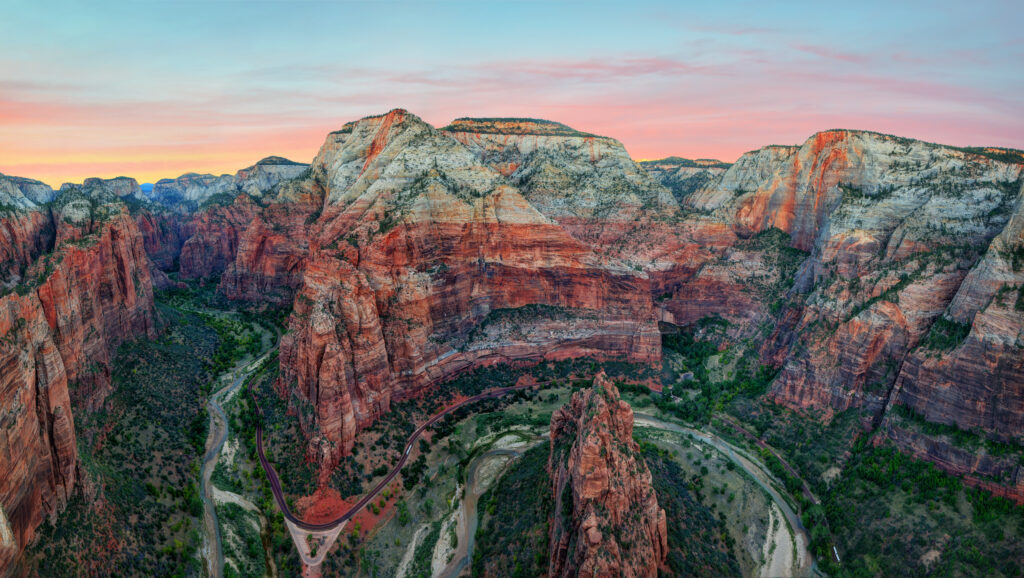
It is a 20,000-acre state park with a warm-water reservoir, red sand beaches, cliff jumping, and OHV trails. The weather in mid-March is some of the best in the country. All of it sits about 20 minutes from St. George and 45 minutes from Zion National Park.
If your family likes water, dirt, and open space more than concrete and gift shops, this is the spring break trip worth researching. The park covers enough ground that you can spend three or four days and never repeat the same activity twice. It is also one of the most affordable outdoor destinations in the Southwest once you know how the pricing works.
This guide covers what to expect at Sand Hollow State Park during spring break. It breaks down activity costs, March weather conditions, and where to stay nearby for the best mix of comfort and access.
What Makes Sand Hollow State Park Worth the Trip
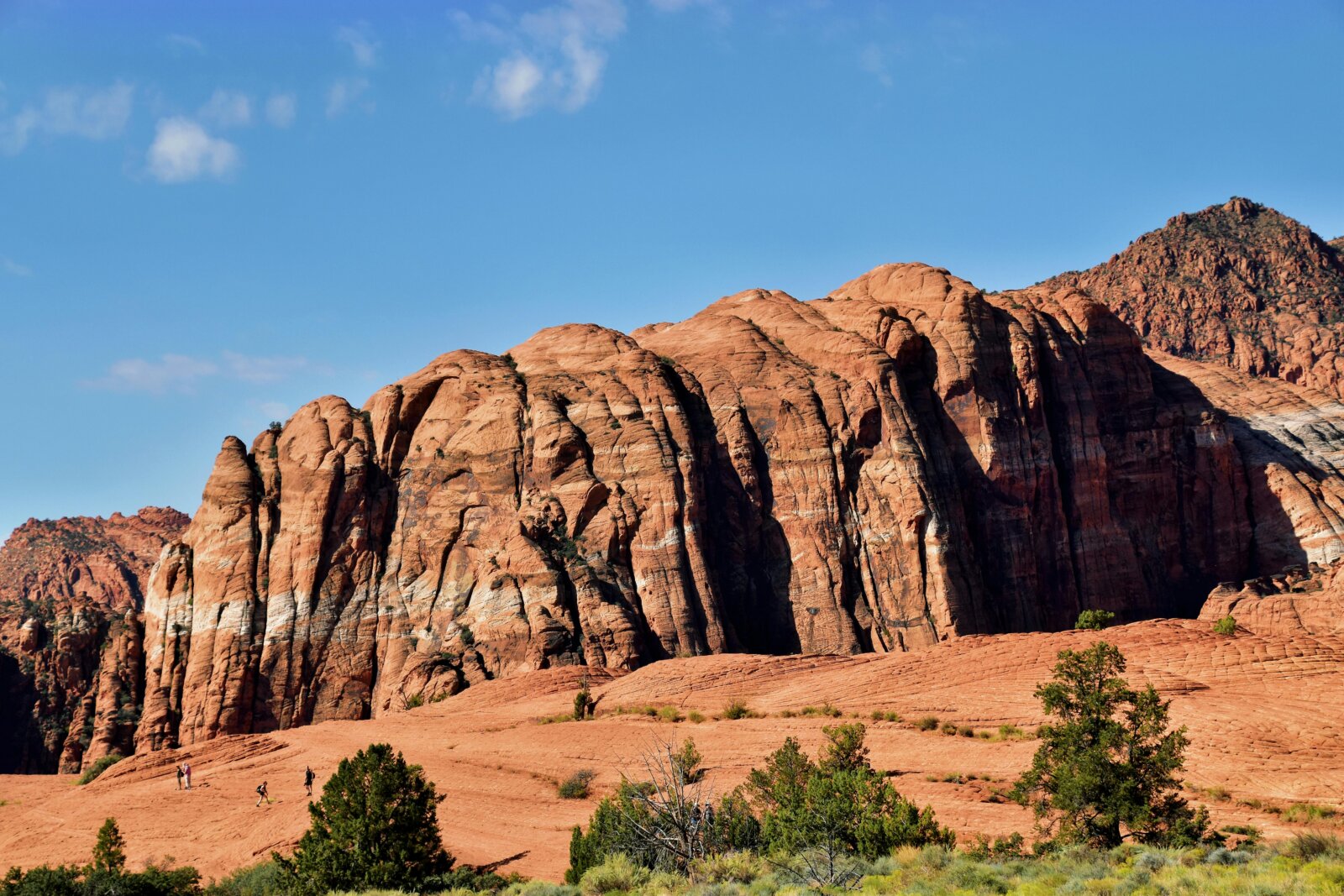
Sand Hollow is not the kind of state park where you drive in, look at a viewpoint, and leave. It is built around a 1,322-acre reservoir surrounded by red sandstone cliffs, sandy beaches, and 15,000 acres of open dunes on Sand Mountain. The park sits near Hurricane, Utah, about 13 miles east of St. George. That location puts you within easy reach of Zion, Snow Canyon, and Quail Creek State Park if you want to explore the broader region.
The reservoir is the centerpiece, and it is warmer than most people expect from a Utah lake. Water temperatures climb into the 80s from late May through September. During spring break in March, the water is cooler but still manageable for kayaking and paddleboarding. Swimming is possible if your family does not mind a little chill. The reservoir also holds largemouth bass, bluegill, and crappie, which makes it a solid fishing spot for kids who like casting a line from shore.
Beyond the water, Sand Hollow delivers on land too. The OHV trail system runs through sand dunes that range from beginner-friendly to technical. You can rent ATVs on-site if you do not have your own. Cliff jumping off the northwest shore draws the adventurous crowd.
Drop heights vary with the water level but usually offer at least 20 feet of free fall into clear green water. There is even a scuba diving site in the reservoir with a sunken Volkswagen bus and a Cessna airplane at the bottom. That is not the kind of thing you find at most state parks.
Sand Hollow State Park Activities and Costs for Spring Break
Understanding the cost structure before you arrive saves both money and frustration. Sand Hollow charges a day-use fee of $25 per vehicle for out-of-state visitors as of 2026. Utah residents pay $15. If you plan to visit multiple state parks during your trip, the $75 annual Utah State Parks pass pays for itself in three visits.
Camping inside the park ranges from $35 a night for a basic site with no hookups to $55 for full hookups. Full hookup sites include water, electric, and sewer connections. These campground sites include fire pits, picnic tables, and access to restrooms with showers. Group sites run $75 to $100 per night depending on hookup availability. If you are bringing an RV, reserve your site well in advance because spring break weeks fill up fast at Sand Hollow.
Rental equipment is available at the south shore through Sand Hollow Rentals. Kayaks, stand-up paddleboards, jet skis, and powerboats are all on the menu. Prices vary by season, but expect to pay around $30 per hour for a kayak or SUP and significantly more for motorized watercraft. The fishing is free once you have park entry, though anyone 12 or older needs a valid Utah fishing license. You can buy one online through the Utah Division of Wildlife Resources website for about $12 for a one-day permit.
March Weather and What Sand Hollow Delivers During Spring Break
Weather is the single biggest factor that makes or breaks an outdoor spring break. Sand Hollow wins this category for families traveling from colder climates. March in Southern Utah runs warm and dry compared to most of the country.
Expect daytime highs in the mid-60s to low 70s during March, with overnight lows dropping into the 40s. That is comfortable enough for hiking, biking, paddling, and exploring the dunes without dealing with summer-level heat. The sun is strong at this elevation, so bring sunscreen even on mild days. Rain is uncommon in March, though occasional wind can pick up in the afternoon. If your family comes from anywhere that still has snow on the ground in March, this will feel like summer by comparison.
The park opens at 6 a.m. from April through September and 7 a.m. from October through March. Spring break usually falls right on that transition. Gates close at 9 p.m. during the earlier months and 10 p.m. after April begins. Plan your days around morning and late afternoon activities to get the best light and the calmest water on the reservoir. Midday is when wind typically builds and boating conditions get choppier.
One thing to note about the sand at Sand Hollow is that it heats up fast in direct sun, even in March. By midday, walking barefoot on the beach can get uncomfortable. Bring water shoes or sandals for the kids, and keep plenty of water on hand. The park recommends one gallon per person per day as a baseline during warm weather visits.
Where to Stay Near Sand Hollow State Park Utah
Camping inside the park puts you closest to the action, but the campground sites are limited and book early during spring break. If those are full, or if you prefer more comfortable accommodations after a full day outdoors, look beyond the park boundaries. The area around St. George and Washington offers better options than most people realize.
A luxury RV resort near St. George gives you the best of both worlds for a spring break trip. You get full hookups, hot showers, a pool, and climate-controlled comfort at the end of every day. Then Sand Hollow is a 20-minute drive in the morning. That setup works especially well for families with younger kids. They need a real bed and a proper meal after burning energy all day on the dunes and the reservoir.
The St. George area also puts you within reach of the other things to do in St. George Utah. Those activities round out a full spring break week nicely. Snow Canyon State Park is about 30 minutes away. Zion National Park is 45 minutes. Thunder Junction All Abilities Park in town is free and great for younger kids who need a break from outdoor adventure. You could easily fill five to seven days without driving more than an hour from your base.
For families planning a spring break trip to Sand Hollow State Park Utah, book your accommodations first. Then layer in park days around your site reservation. Reserve your campsite or RV spot by early February at the latest. Spring break is peak season for this corner of Utah, and the families who plan ahead get the best sites and the most flexibility. The ones who show up hoping for availability usually end up 45 minutes away in a hotel that was not their first choice.