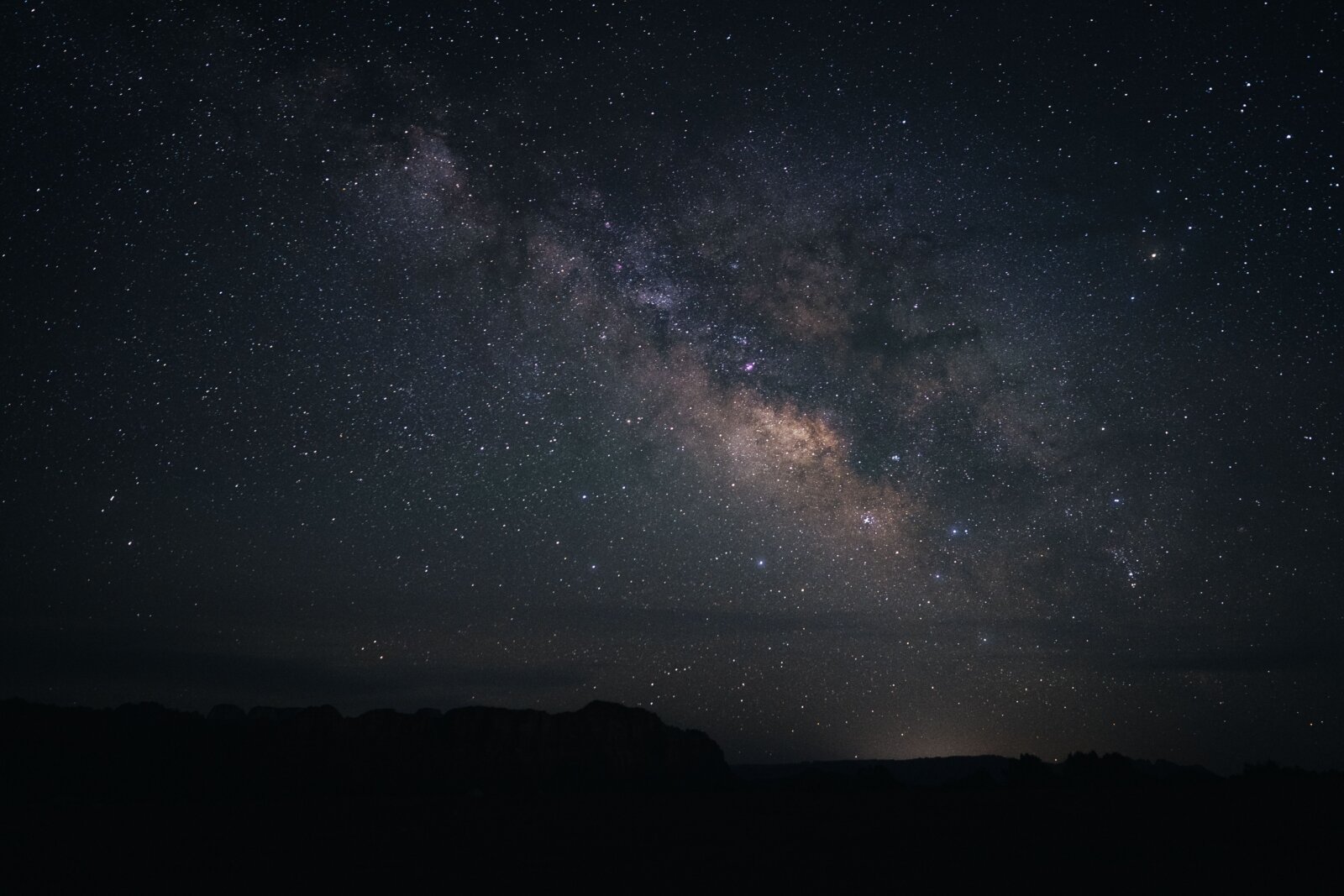
Point a phone camera at red sandstone at high noon and you get a flat, chalky pink. It looks nothing like what your eyes just saw. Point that same phone at the same rock twenty minutes before sunset and the whole cliff face lights up like it is on fire. That difference is the entire reason zion photography spots draw people back again and again. They keep chasing a color that only shows up for a few minutes a day.
Most visitors treat photography as an afterthought, a quick snapshot grabbed on the way to somewhere else. But this landscape rewards people who actually plan around the light instead of working around their schedule. The sandstone here holds color the way few landscapes do, shifting from rust to gold to deep red depending on the sun’s angle. Golden hour is when that shift peaks.
This guide walks through why timing matters so much here, plus a handful of real, accessible locations worth the drive. It covers the practical basics that turn a casual phone photo into something you actually want to print. It also covers how to build a full photography day around an RV base camp. That way, you are not racing sunset with a cold engine and a bad parking spot.
Why Zion Photography Spots Reward Golden Hour Timing
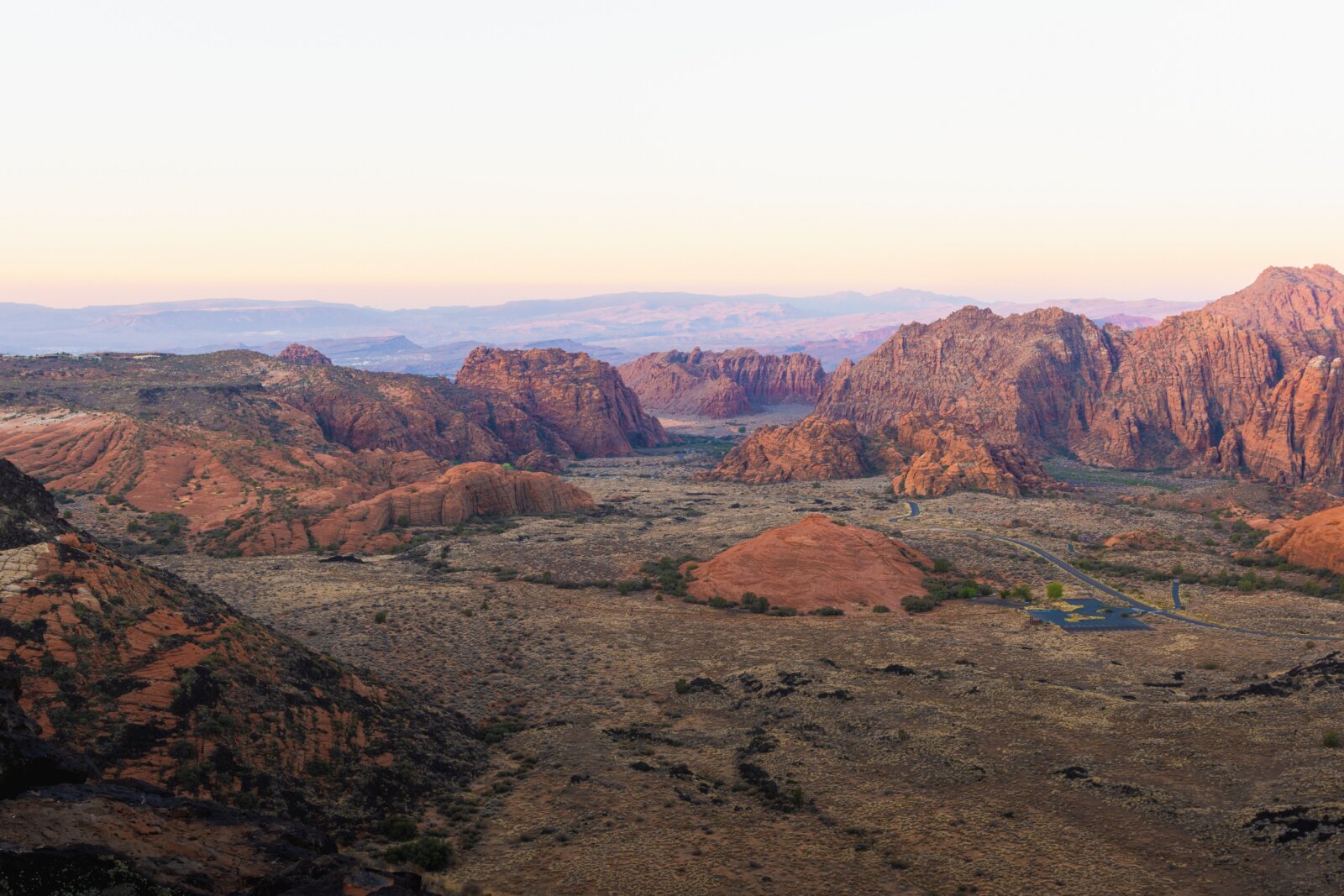
Red rock behaves differently than almost any other landscape when the sun sits low on the horizon. The same sandstone that looks dusty and flat under harsh midday sun turns saturated and almost glowing once the light angle drops. That low, warm light is what photographers mean when they talk about golden hour. Southern Utah’s clear desert air makes the effect even more dramatic.
Shadows do a lot of the work too. Midday sun flattens the canyon’s texture into one even tone, but low-angle light rakes across every ridge and crevice. It carves depth into rock formations that looked one-dimensional an hour earlier. That is the difference between a photo that says “nice rock” and one that actually stops someone scrolling.
Timing shifts by season, which trips up a lot of first-time visitors. Golden hour in summer starts much later in the evening than it does in winter. A schedule that worked perfectly in July will have you standing in flat midday light come December. Check sunset and sunrise times for your actual visit dates rather than relying on memory from a past trip.
Weather adds its own variable worth watching for. A few scattered clouds during golden hour often produce a more dramatic sky than a completely clear one, catching color the plain blue sky cannot. Keep an eye on the forecast the day before and adjust your plans if a mostly clear evening with some cloud cover is shaping up.
Real Locations Worth the Drive for Sunrise and Sunset
Our Snow Canyon State Park guide covers a spot that delivers some of the most reliable golden hour color in the region. Its black lava rock and red and white sandstone create natural contrast that intensifies as the light drops. The park’s scenic drive puts several strong viewpoints within easy reach of a parking pullout. That matters when you are racing a closing window of light.
Zion Canyon itself offers dramatic sunrise options, particularly along the Pa’rus Trail, where the canyon walls catch first light before the valley floor does. Sunrise here tends to draw a smaller crowd than sunset. That is worth considering if you want a quieter shoot without competing for the same few feet of trail.
Red Cliffs National Conservation Area gives you red rock drama without the crowds that gather at Zion’s most famous overlooks. Its trails and washes catch evening light beautifully, and the shorter drive from St. George makes it realistic to fit in even on a day already packed with other plans.
For a broader list of sunset viewpoints across the region, our full roundup of the best sunset spots in Southern Utah is worth a look. This guide leans more into technique and timing, so treat the two as companions rather than duplicates.
Timing and Gear Basics for Casual Photographers
You do not need professional gear to get a strong shot here, but a few basics make a real difference. A phone camera works fine for golden hour if you tap to set focus and exposure manually. Full auto mode tends to wash out the sky while it tries to brighten the foreground.
If you are shooting with a dedicated camera, a simple tripod solves more problems than any lens upgrade will. Low light means slower shutter speeds, and a tripod keeps the shot sharp when your hands cannot hold steady enough on their own. It also frees you up to actually watch the light change instead of fumbling with a handheld shot.
Arrive earlier than you think you need to. The best light window can be shorter than expected. Scouting a location in advance beats stumbling around cliffside terrain hunting for a composition (learned that one the hard way more than once).
Bring layers even on a warm day. Temperatures drop fast once the sun goes down behind the canyon walls. A chilly wait for the last good light is a lot more bearable in a jacket than a t-shirt.
Building a Photography Day Around Your RV Base Camp
Staying at an RV park near St. George puts you within reach of multiple golden hour locations without a long drive in either direction. That flexibility matters more than people expect. A change in cloud cover or crowd levels might mean swapping your planned spot for a backup at the last minute.
Plan your day around both ends of the light. A sunrise shoot means an early wake-up and a short drive while it is still dark. Sunset gives you the whole afternoon to scout, rest, and arrive relaxed instead of rushed. Many serious photographers actually prefer chasing both in the same 24 hours, since the two ends of the day produce noticeably different color and mood.
Keep your gear staged the night before a planned shoot. Charged batteries, a clean lens, and a bag packed by the door save you from a missed shot. The worst time to hunt for a memory card is right as the light peaks.
The best zion photography spots reward patience more than gear. Southern Utah’s red rock does its best work for a few minutes at the start and end of each day. Knowing where to be and when to show up makes all the difference. Scout your locations, watch the forecast, and build your schedule around the light instead of squeezing photography in as an afterthought. Ready to make golden hour part of your daily routine instead of a lucky accident? Book your stay at Settlers Point Luxury RV Resort and give yourself an easy home base for chasing the best light Southern Utah has.