Search for a place to park your RV and you will see three different words for the same shelf of listings. RV parks and campgrounds get used interchangeably. RV resorts get mixed in right beside them.
Those three words describe real differences, and the differences show up the first night you plug in. One place gives you a fire ring and a shared dump station. Another gives you water, sewer, and 50-amp power at your own pedestal. Guessing wrong is how a trip starts with a cold shower and a dead air conditioner.
This guide sorts the three tiers out in plain terms. You will learn what hookups each level includes and what 30-amp and 50-amp service really buy you. You will also learn what to check on a listing before you pay. If you are planning a first trip out West, that homework pays off fast.
Where Campgrounds Stop and RV Parks Begin
A campground is built around the outdoors first and the vehicle second. You get a site, a picnic table, and usually a fire ring. Hookups are limited or missing entirely. Restrooms are shared, showers are not guaranteed, and you are expected to arrive self-sufficient.
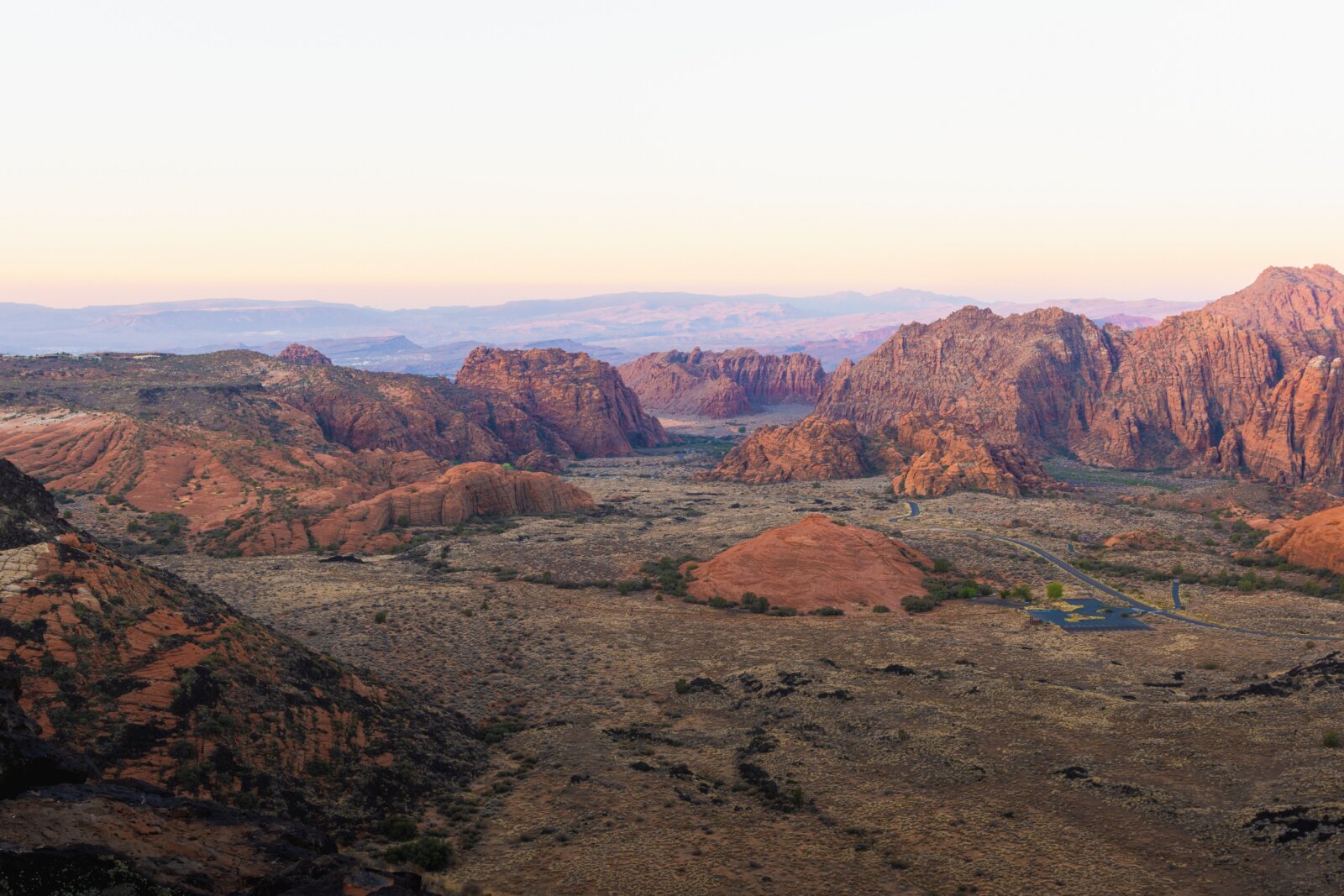
Zion National Park shows this clearly. Watchman Campground, the one most RV travelers try for, states plainly that there are no full-hookup campsites. Electric sites are all 30 amp, with only a handful supplying 50 amp. Water and waste go through a dump station near the campground entrance rather than a connection at your site.
An RV park moves the vehicle to the center. The standard is full hookups at the site, meaning fresh water, sewer, and electric at your own pedestal. Most add laundry, WiFi, and real showers. Parks usually sit in or near a town, which is the trade you make for the trees.
Availability is the other split. Campgrounds inside popular parks sell out on a schedule, and standard sites at Watchman open for reservation up to six months ahead. Miss that window and the canyon is full. RV parks and campgrounds outside the gates usually hold inventory longer, which is worth knowing when your dates are fixed.
That trade is the whole decision. Campgrounds put you closer to the scenery and further from services. RV parks put you closer to services and further from the trailhead. Neither is wrong, but only one of them lets you run a full rig in July without rationing power.
What Full Hookup RV Sites Actually Include
Full hookup means three connections at your site. Fresh water, a sewer drain, and electric service all land at the same pedestal. Anything less is a partial hookup, even when a listing calls it full. That single word is worth confirming before you book.
Amp service is where most first timers get surprised. A 30-amp connection delivers up to 3,600 watts through a three-prong plug on one 120-volt hot leg. A 50-amp connection delivers up to 12,000 watts through a four-prong plug carrying two 120-volt legs. The names sound close, and the capacity is not.
In practice, 30 amps runs one air conditioner plus a fridge, water heater, microwave, and lights. It does not run all of them at once. Fifty amps runs two air conditioners along with a washer and dryer and still has room. In a southern Utah July, that gap is the difference between comfortable and tolerable.
So check two things on any listing. Confirm that water and sewer reach the site itself, not just a shared dump station. Then confirm the amp service at the specific site you are booking, because a park can advertise 50-amp without offering it everywhere.
Why a Luxury RV Resort Changes the Trip
A luxury RV resort starts where a good RV park stops. Full hookups are assumed, not advertised. What you are paying for is everything around the site, and whether that pays off depends on how long you stay.
Our resort sits at 1355 East Bluff View Drive in Washington, Utah. Every site has a concrete pad, a private picnic table, and a fire pit. Pull-through and back-in configurations are both available, and every pedestal carries full water, sewer, and 50/30/20-amp electric. That is the RV park tier handled before the resort part even starts.
The resort part is the pool and hot tub, heated year round. Add lighted pickleball courts, a half-court basketball area, a putting green, and a playground. The clubhouse has air conditioning, a full indoor kitchen, a banquet room, a business center, and two stone fireplaces. Complimentary high-speed WiFi covers the whole property, and dogs get a fenced dog park with agility equipment and a wash station of their own. You can read the full amenities and hookup details before you decide.
Location does the rest of the work. St. George is under ten minutes away. Sand Hollow State Park is about fifteen minutes southeast. The south entrance of Zion National Park is roughly fifty minutes out, about forty-two miles. That is why RV parks near Zion National Park get booked as base camps rather than one-night stops.
How to Read an RV Park Listing Before You Book
Start with the hookup line and read it literally. If it says water and electric, there is no sewer at your site. If it says full hookup, ask which amp service your site carries. Listings are written to sound generous, and the specifics are where the truth sits.
Then check the pad and the fit. Concrete or gravel changes how level you sit and how muddy you get after rain. Pull-through matters if you tow, and length limits matter more than most people expect. A site that fits a thirty-foot rig will not fit a forty-five-foot fifth wheel with slides out.
Read the rules before you fall in love with the photos. Pet fees, quiet hours, and stay minimums all vary widely. Some places set an age limit on rigs. Ours asks that RVs be no older than ten years for stays longer than a week, with exceptions approved by management. Weekly and monthly stays usually cost less per night, and our nightly, weekly, and monthly rates are listed openly.
Treat the word resort as a claim that needs backing. A real resort tier publishes an amenity list you can check item by item, not a paragraph of adjectives. If you cannot find the pool hours, the hookup specs, or the pet rules on the site, call and ask. The answer tells you which tier you are actually booking.
Finally, check the drive times against the places you actually came to see. Near Zion covers a wide range of real distances. Pull up the address and measure it yourself before you assume a park is close.
Choosing Between RV Parks and Campgrounds Near Zion
The choice between RV parks and campgrounds comes down to what you want your evenings to look like. Pick a campground when the point of the trip is the canyon and you are equipped to go without. Pick an RV park when you want full hookups and a town nearby. Pick a resort when the trip is long enough that the pool, the courts, and the laundry earn their keep.
For a first trip out West, the resort tier removes the most variables. You get full hookup RV sites, real showers, working WiFi, and a base camp under an hour from Zion. That leaves your planning energy for trailheads instead of dump stations.
Look through our amenities and current rates, then call 435-236-7458 with your rig length and your dates. We will tell you straight whether we are the right fit for the trip you are planning. That question is better answered now than after you arrive.