By late October, the moving trucks full of skis and snow shovels head north while a different kind of caravan heads south. If you have ever watched a fifth wheel with Alberta plates roll into St. George in November, you already understand the pull. Southern Utah does not do harsh winters, and that single fact quietly built an entire seasonal economy. Finding the right snowbird RV parks Utah has to offer is not about picking whatever pops up first in a search bar. It is about matching your actual winter routine to a place built for a season, not a weekend.
This matters more than most people expect before their first long winter stay. A two-night visit forgives almost anything. A three-month stay does not. The site that looked charming in a listing photo has to hold up on a gray Tuesday in January. That is when all you want is hot water and a place to walk the dog.
This guide covers why Southern Utah draws snowbirds in the first place. It also covers what a real winter stay requires beyond the monthly rate, and how to lock in a reservation without regretting it by December.
We will also cover the parts nobody puts in the brochure. That means the community rhythm and the activities that actually fill your days. It also means the healthcare access questions that matter once you are three states from your regular doctor. None of this is complicated, but it is easy to overlook when comparing snowbird RV parks Utah wide purely on price.
Why Southern Utah Pulls Snowbirds Away From Colder States
Mild weather is the obvious draw, but the specifics matter. Winter days in Washington, Utah, regularly land in the 50s and 60s. Skies stay clear enough that outdoor time feels realistic in December and January, not just June. Compare that to the ice storms and short daylight hours snowbirds are fleeing, and the appeal stops being abstract. You can hike in a fleece instead of a parka, and you can actually see the trail.
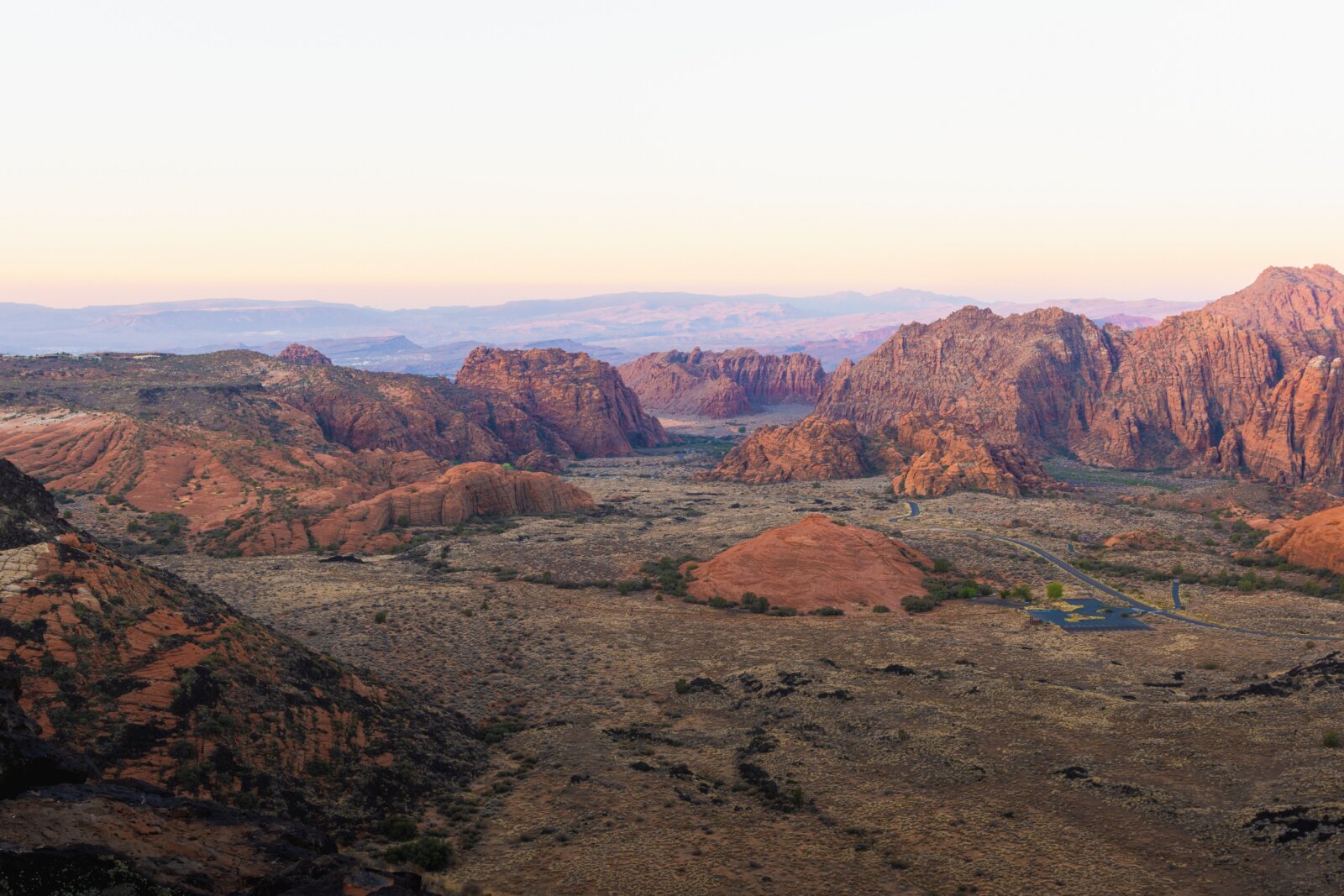
Zion National Park sits 45 minutes away, and that proximity changes what a winter stay feels like. Snowbirds who spend a season here are not stuck circling the same three-mile loop out of boredom. They are hiking Zion’s lower trails in cool, crowd-free conditions that summer visitors never get to experience. Sand Hollow State Park sits even closer, just 10 minutes out, for days when you want water views instead of canyon walls.
This is also why seasonal RV parks Utah travelers search for tend to cluster around St. George instead of scattering statewide. Drivable mild weather, national park access, and a real town with groceries and healthcare nearby are hard to replicate elsewhere in the state. Snowbirds are not just chasing sunshine. They are chasing a place where daily life stays easy for months at a time.
Long term RV parks Utah snowbirds consider outside this corridor do exist, but many trade the mild winter for higher elevation and colder nights. That tradeoff defeats the purpose for most people escaping winter. If skipping the cold is the whole point, the location has to actually deliver on that promise from November through March.
What a Multi-Month Winter Stay Actually Requires
A monthly rate is the headline number, but it rarely tells the full story. Ask what is included before you book. Winter utility use tends to run higher than a summer stay. Heating a rig through cool desert nights pulls more power than most first-time snowbirds expect. That difference shows up fast if electricity is metered separately from the site fee.
Anyone comparing snowbird RV parks Utah wide should know that rig age and condition matter more for long winter stays than for a quick weekend. Many rv parks for snowbirds, including Settlers Point, require RVs to be 10 years old or newer for stays longer than a week. Exceptions get approved case by case, usually after texting photos of all four sides of the rig. It is a five-minute step that can save you a rejected reservation later.
Multi-month bookings also tend to run through a different process than a simple nightly reservation. At Settlers Point, extended stays require an Extended Stay Application rather than a quick phone booking. A 20% non-refundable deposit secures the site once you are approved. Traveling with a dog changes the math too, since pet fees here run $2 per day or $30 per month.
Full hookups sound like a given, but confirm the amperage before you assume anything. A site with 50/30/20-amp electric service handles a winter’s worth of space heaters and electric blankets far better than older 30-amp-only pedestals. That detail rarely makes it into a listing headline, but it shapes every cold morning of your stay.
Community, Activities, and Healthcare Access That Shape the Season
The social side of a winter stay is not a minor perk. For a lot of people, it is the whole reason they come back every year. A three-month stay works differently than a weekend, because you start recognizing the same neighbors at the pool and the same faces at pickleball. That familiarity is what turns a parking spot into a season. A heated pool and hot tub, lighted pickleball courts, and a clubhouse with a fireplace give people real reasons to leave their rig.
Activities matter beyond the organized amenities too. Snowbirds who settle in well here usually build a loose weekly rhythm. That might mean a pickleball game on Tuesdays, a Zion hike on the cooler mornings, or a standing coffee run into St. George. That rhythm comes easier at a resort where the amenities encourage it, rather than one where everyone stays parked behind closed blinds.
Healthcare access deserves more attention than it usually gets in these conversations. St. George has full hospital and urgent care access. That matters if you are managing a chronic condition, or simply want peace of mind three states from home. Ask any winter park how far the nearest urgent care and pharmacy sit. That answer changes how comfortable a long stay actually feels once you are settled in.
Pets factor into the daily rhythm as well. A fenced dog park with agility equipment means your dog gets exercise even on days you would rather not move. Pet Concierge services for walks or daycare help on the days you truly cannot. That is a small detail until you are the one deciding between a hike and a restless dog.
Booking Your Winter Base at the Right Time
The search for snowbird RV parks Utah wide books earlier than most first-timers expect. Prime sites at popular seasonal parks often fill by late summer for the following winter. If you are reading this in September or October for a November arrival, you are behind the ideal window, though not out of options entirely.
Before you lock anything in, confirm a short list of details by phone. Get the actual monthly rate with utilities factored in, the rig age policy, and whether your rig qualifies. Ask about the deposit and cancellation terms too, along with whether the park requires a separate application for stays longer than a month. Skipping this step is how people end up surprised in November.
It also helps to ask what a typical week looks like during peak winter season. A good park will tell you plainly, pickleball at 9, set pool hours, a few planned events on the calendar. A vague answer is its own kind of answer. For a fuller breakdown of typical costs, our guide to monthly RV park rates in St. George for winter budgeting walks through the line items most people miss.
Southern Utah’s mix of mild weather, Zion access, and real community might be the winter base you have been looking for. Reach out to Settlers Point with your dates and rig details. We will walk you through the Extended Stay Application and help you find the season you actually came here for.