Most itineraries that combine Zion and Bryce Canyon assume you are staying in Springdale or driving in from Las Vegas. They skip the part where you actually have to park a rig, find hookups, and figure out which roads your RV can legally drive. A Zion and Bryce Canyon itinerary from St. George solves that problem. St. George sits at the center of the route and gives you a stable base with full services in every direction.
The two parks are only about eighty-four miles apart if you drive through the Zion-Mt. Carmel Tunnel. But that route has a hard size limit starting June 7, 2026 that bans vehicles over 35 feet 9 inches from the entire highway. If your rig exceeds that, you need the northern detour through I-15 and US-89, which adds about forty minutes. Either way, the Washington and St. George corridor puts both parks within day-trip range without moving your RV between campgrounds every night.
This post covers a flexible 3 to 5 day plan that works for most RV setups. It includes verified 2026 drive times and shuttle logistics for both parks. It also breaks down what requires advance reservations versus what you can walk up to. If you are building a Zion and Bryce Canyon itinerary from St. George this year, this is the planning framework.
Why St. George Works as the Hub for Both Parks
The math is simple. Zion’s south entrance is about thirty-three miles and fifty-five minutes from Washington, Utah, via I-15 and SR-9. Bryce Canyon is roughly 125 miles and two and a half to three hours north via I-15, UT-20, and US-89. Both drives are scenic and RV-friendly on the main highways. Both bring you back to the same base camp every night if you want to avoid breaking camp.
That base camp advantage matters more in 2026 than it has in past years. Zion’s Watchman Campground books out six months in advance for summer weekends. Bryce’s North Campground does the same. If you miss those windows, an RV park in the St. George corridor gives you full hookups and a pool to come back to. You are not scrambling for overflow parking at nine in the morning.
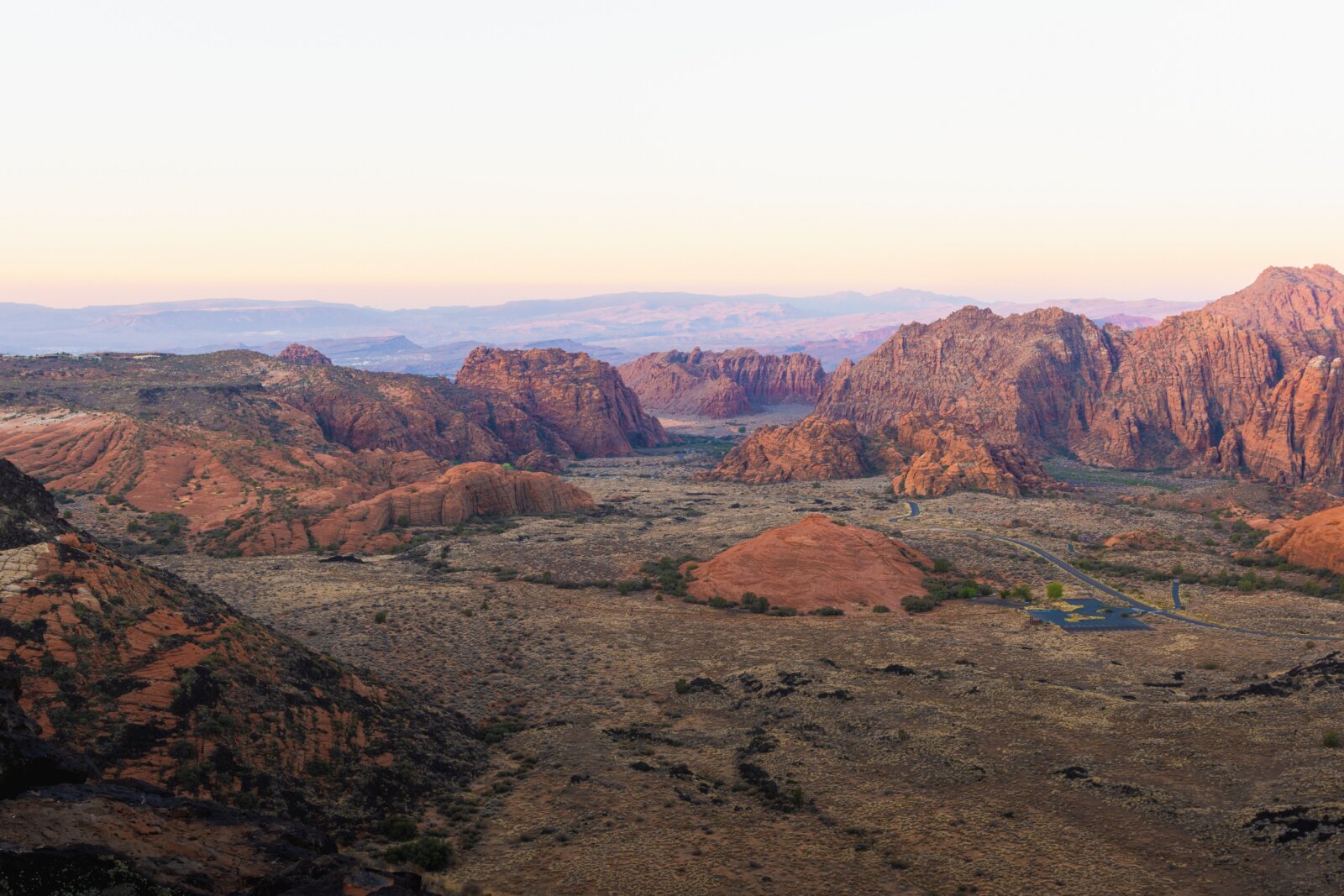
The corridor also gives you access to things to do in St. George, Utah on your rest days. Snow Canyon State Park, Sand Hollow Reservoir, and a dozen restaurants sit within twenty minutes of your site. That flexibility is what makes a multi-day trip sustainable instead of exhausting.
The 3-Day Version for Travelers Moving at a Steady Pace
A three-day itinerary gives you one full day at each park with a travel day on either end. It is tight but doable if you start early and prioritize the right stops.
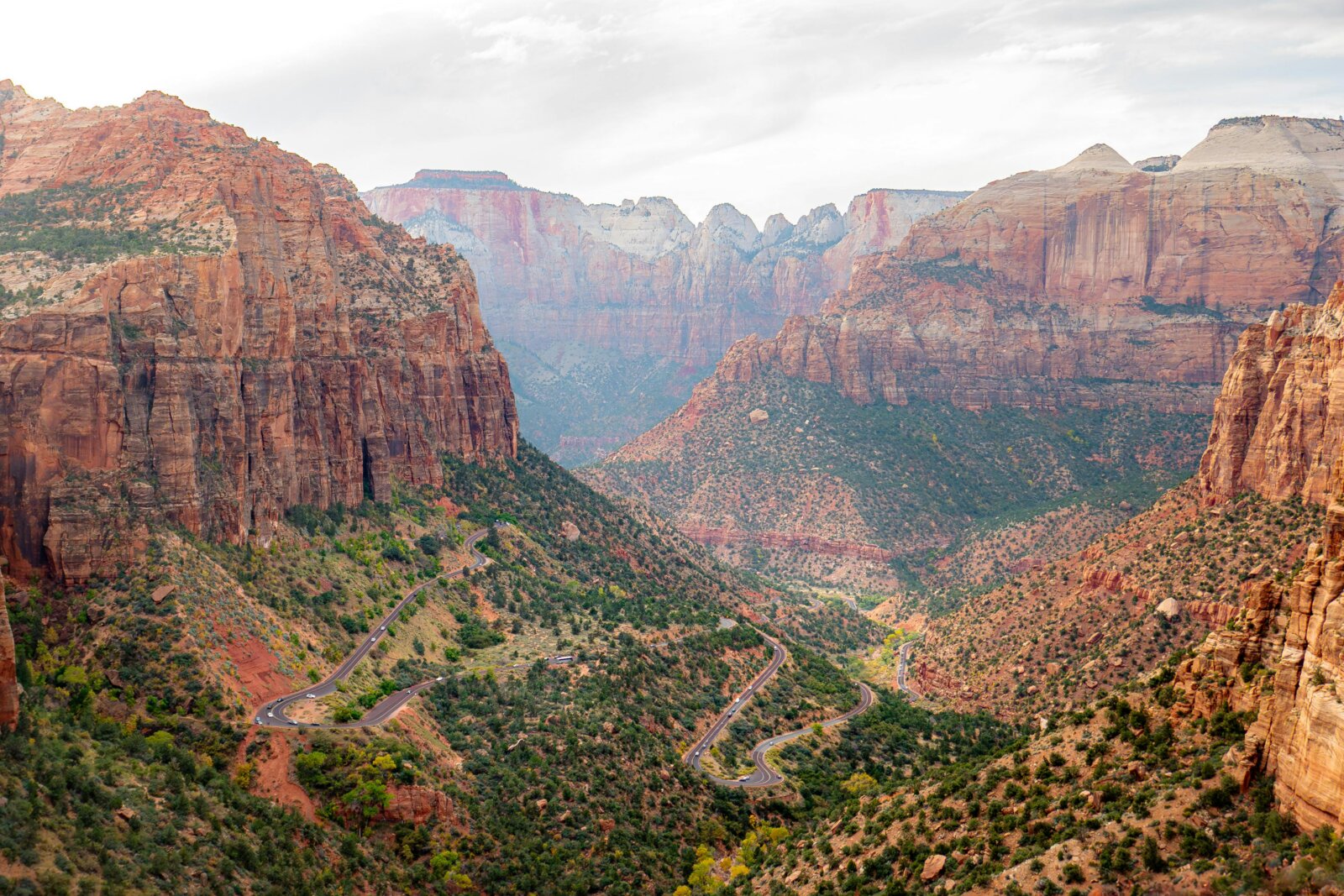
Day one is Zion. Leave your base by six thirty in the morning and aim for the Visitor Center shuttle by seven thirty. Ride the Zion shuttle to the Temple of Sinawava and walk the Riverside Walk. It is a flat, paved, 2.2-mile round trip along the Virgin River. If the Narrows is open, wade upstream as far as you want.
On the way back down the canyon, hop off at Weeping Rock, which reopened in September 2025 after a two-year closure. Finish with the Lower Emerald Pools trail from The Grotto. That fills a solid six to seven hours without rushing. For a deeper dive on shuttle timing and trail options, the Ultimate Guide to Visiting Zion National Park covers the full picture.
Day two is the drive to Bryce Canyon and a full afternoon in the park. If your rig fits under the tunnel limits, take SR-9 east through Zion and connect to US-89 north. Stop at Red Canyon in the Dixie National Forest on the way. The Arches Trail is a quick 0.7-mile walk through red rock formations, and it costs nothing. Arrive at Bryce by early afternoon.
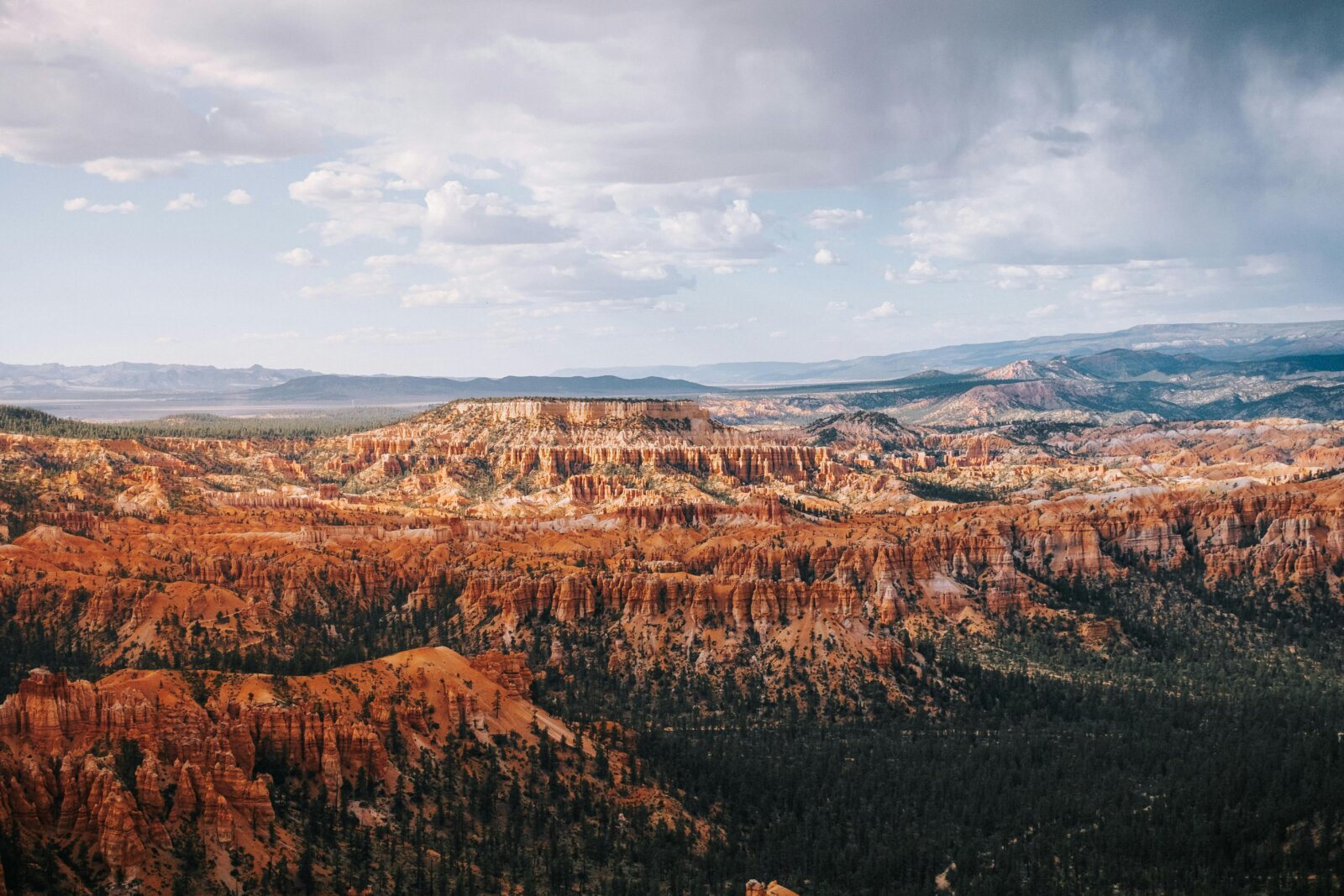
Park at the Shuttle Station in Bryce Canyon City and ride the free shuttle into the Amphitheater area. The signature hike is the Queen’s Garden and Navajo Loop combination. It is a three-mile loop that drops you into the hoodoos and climbs back to the rim. It takes two to three hours at a comfortable pace. Bryce sits above 8,000 feet, so drink more water than you think you need and take the climbs slowly.
Day three is the return to St. George with an optional stop. If you camped near Bryce overnight, drive the Southern Scenic Drive to Rainbow Point early in the morning before the parking lots fill. The shuttle does not go past Bryce Point, so you need your own vehicle for this stretch. Then head south on US-89 to I-15 and back to the corridor. The full drive takes about two and a half to three hours without stops.
The 5-Day Version With Rest Days and Deeper Exploration
Five days lets you breathe. You get two days at Zion, a travel and rest day, a full Bryce day, and a flex day for side trips or recovery. This is the version that works best for families and travelers over fifty. Nobody wants to hike eight miles a day for three days straight.
Day one is an easy half-day at Zion. Arrive in the afternoon, ride the shuttle to Big Bend, and walk the Pa’rus Trail back toward the Visitor Center. The Pa’rus is 1.7 miles one way, paved, flat, and one of the only trails in Zion that allows dogs. Use the rest of the evening to scout the Springdale shuttle stops and figure out your parking plan for the next morning.
Day two is the big Zion day. First shuttle, full canyon. Riverside Walk, Weeping Rock, and either Angels Landing with a permit or the Lower and Middle Emerald Pools without one. If you have an Angels Landing permit, budget four to six hours for the full 5-mile round trip with 1,488 feet of elevation gain. The chains section is exposed and not for everyone. But the view from Scout Lookout alone is worth the climb even if you turn around there.
Day three is the travel day to Bryce with a Red Canyon stop. Take your time. Set up at Ruby’s Inn RV Park or Bryce Canyon Pines, both of which have full hookups and can handle large rigs. Spend the late afternoon driving the Southern Scenic Drive to Rainbow Point. Work your way back north, stopping at Natural Bridge, Agua Canyon, and Ponderosa Canyon along the way. The light gets better as the afternoon wears on.
Day four is the full Bryce day on the shuttle. Queen’s Garden and Navajo Loop in the morning when the light hits the hoodoos from the east. Rim Trail between Sunrise and Sunset Points for the overview. If you want more, add the Peekaboo Loop, which is a five-mile trail that drops deeper into the amphitheater. Watch the altitude. Bryce’s rim sits between 8,000 and 9,100 feet, and the climb out of the canyon will feel harder than the distance suggests.
Day five is the return to St. George with a Bryce Canyon day trip side option. Kodachrome Basin State Park is about thirty-five minutes east of Bryce on UT-12 and UT-22. Day use is fifteen to twenty dollars depending on residency. The Angel’s Palace trail is a short half-mile walk with wide views of the sandstone chimneys the park is named for. From Kodachrome, the drive back to Washington runs about three and a half hours via US-89 and I-15.
What Needs Reservations and What Stays Flexible
The reservation landscape for this trip has two categories. Some things must be locked down months in advance. Everything else is walk-up.
At Zion, the two items that require advance planning are Watchman Campground and the Angels Landing permit. Watchman opens on a rolling six-month window on Recreation.gov at ten in the morning Eastern time. Summer weekends sell out in minutes.
The Angels Landing permit runs through a seasonal lottery on Recreation.gov, with a day-before lottery as a backup. Application costs six dollars per group, plus three dollars per person if selected. The Narrows bottom-up day hike, the Riverside Walk, the Emerald Pools, and Canyon Overlook are all walk-up with no permit required. The same goes for every other major trail in the park.
At Bryce Canyon, North Campground is the main reservable option for RV travelers. It opens on the same six-month Recreation.gov window. Loops A and B accept RVs. Sunset Campground Loop A opens on a fourteen-day rolling window. The shuttle, all viewpoints, and all rim and below-rim trails are walk-up. No permits are needed for any day hike at Bryce.
The RV parks outside both parks take direct bookings and generally have more availability than the NPS campgrounds. Ruby’s Inn near Bryce and the full-hookup resorts in the St. George corridor are the most common options. For peak summer dates, book those at least sixty to ninety days out. For shoulder season trips in September or October, you can often book two to three weeks ahead without trouble.
Building Your Own Zion and Bryce Canyon Itinerary From St. George
The right version of this trip depends on how many days you have and how big your rig is. It also depends on whether anyone in your group holds an Angels Landing permit. Three days works if you are efficient and comfortable with long driving days. Five days works better for most RV travelers because it builds in recovery time. It lets you see both parks without treating the trip like a relay race.
The one thing that does not change is the base. The St. George and Washington corridor sits in the right spot to reach both parks without relocating your rig. It gives you full hookups, grocery stores, fuel, and enough off-trail activities to fill a rest day without getting back in the truck.
If you want help mapping the days around your specific rig size and travel dates, the Settlers Point team can walk you through it. Reach out before you book so we can help you sequence the parks, the shuttle schedules, and the campground windows. Or drop a comment below if you have done this route and want to share what worked.