Ask longtime visitors when they actually prefer to visit, and fall camping in St. George Utah comes up more often than summer does. The heat breaks, the trails empty out, and the desert stops feeling like something you have to survive. Most travelers just never got the memo.
Summer gets the marketing push because school calendars line up with it, but the weather rarely cooperates with anyone’s plans. Triple digit afternoons push hikers indoors by ten in the morning, and evening thunderstorms roll through with little warning. Fall trades all of that for something calmer, and the calendar between September and November tends to reward the people who show up for it.
This guide walks through how fall actually changes the RV experience here. It covers the shifts in temperature and trail conditions to expect. It also looks at which activities genuinely improve once summer fades, and lays out a practical plan for building a fall camping trip around it.
How Fall Transforms the RV Experience in Southern Utah
Fall changes the rhythm of a day here more than people expect. Instead of racing the heat, you get a full day to actually use. Mornings stay cool enough for a real hike. Afternoons settle into a comfortable warmth, and evenings finally cool down enough to sit outside without sweating through dinner.
Campground life shifts too. Sites that felt cramped and stuffy in July open back up once the AC units stop running around the clock. Neighbors start grilling outside again. Common areas that sat empty all summer see real use once the temperature drops into a range people actually enjoy. Even simple things, like sitting outside with a cup of coffee before nine in the morning, go from unbearable to genuinely pleasant.
Crowds thin out considerably once school starts back up in late August. Families who dominate the summer season clear out, leaving trails, restaurants, and viewpoints to a smaller, calmer mix of travelers. Fall camping in St. George Utah tends to feel less like managing a crowd and more like actually being on vacation.

What Changes From Summer to Autumn
Temperatures drop steadily but not dramatically. September still runs warm during the day, often in the 90s. October and November settle into a much friendlier range, typically highs in the 60s and 70s with cool nights. That range works for almost any activity level without forcing a midday retreat indoors.
Trail conditions improve across the board. Summer sun bakes the red rock trails hard enough to radiate heat well into the evening. By October, that same rock holds a pleasant warmth instead of an uncomfortable one, and popular routes that felt punishing in July become genuinely enjoyable.
Water levels at Sand Hollow and other reservoirs drop from their summer peak, which changes the experience without ruining it. Swimming season winds down, but the shoreline opens up more, and the crowds that pack the water in July are long gone by October.
Wildlife activity shifts too. Cooler mornings and evenings bring more movement from local wildlife, something summer’s heat tends to suppress during daylight hours. Early risers notice this more than anyone else on the property. It is one of those small details that makes an early wake-up feel worth it.
Activities That Get Better in Fall
Hiking tops the list without much competition. Trails that require a pre-dawn start in July become comfortable at nine or ten in the morning come October. That flexibility alone changes the entire feel of a trip.
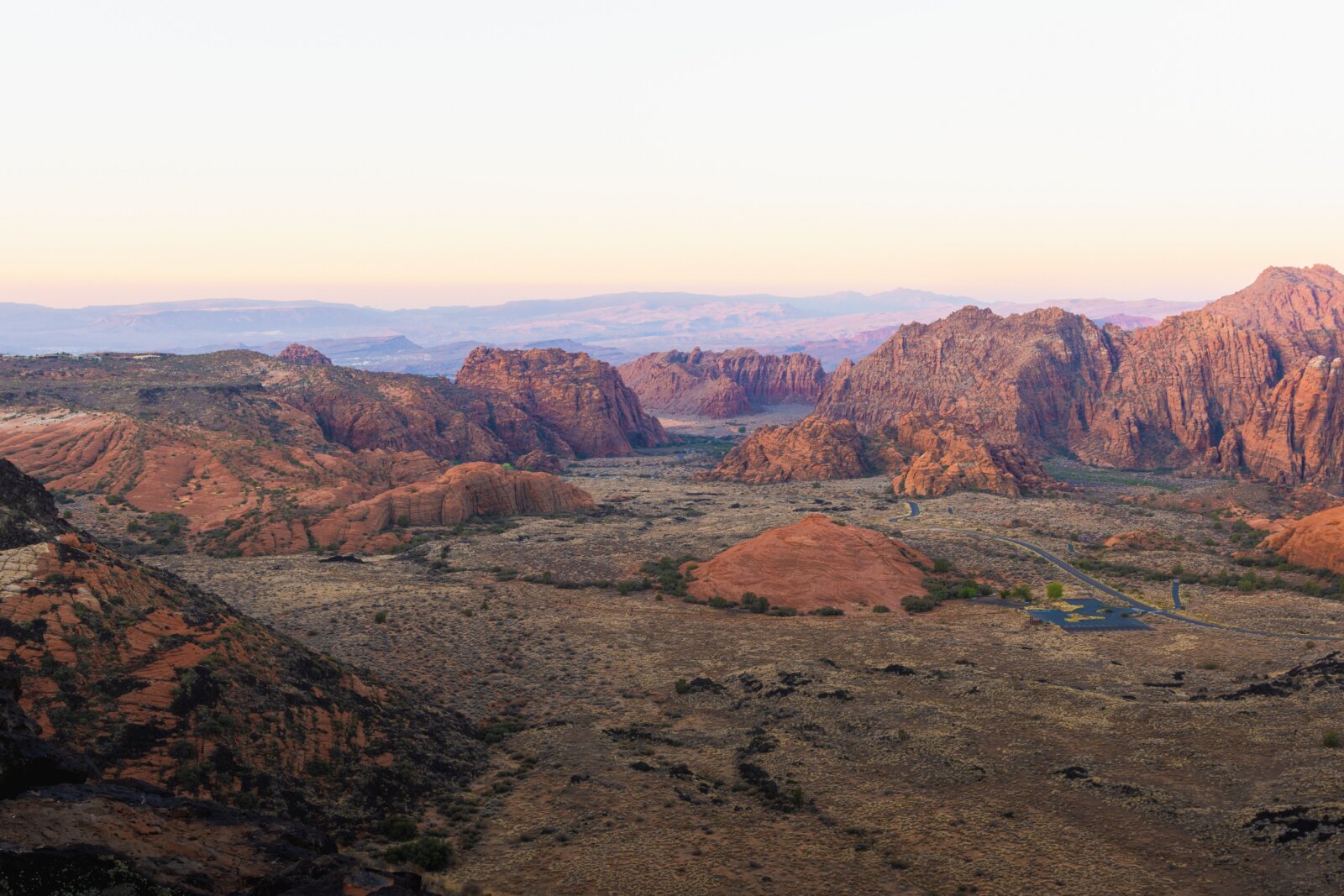
Scenic drives improve too, especially through Snow Canyon and along the routes toward Zion. Fall light hits the red rock differently than the flat glare of summer. The lower angle sun through October and November produces the kind of golden hour that photographers plan entire trips around. Even a short evening drive can feel like the highlight of the day this time of year.
Outdoor dining becomes realistic again. Restaurant patios that sit empty from June through August fill back up once the evening temperature drops into a comfortable range. Local farmers markets and seasonal events also tend to cluster in this window, giving visitors more reason to explore beyond the trails.
Golf sees a real resurgence during fall too. Courses that punish players with midday heat in summer become genuinely pleasant once temperatures settle. Tee times open up as well, since the peak winter snowbird season has not arrived yet.
Planning Your Fall Camping Trip
A weekend trip works well if you are testing the season for the first time. Plan one solid morning hike, one relaxed afternoon exploring town, and one evening built around outdoor dining while the weather still allows it. That simple structure covers most of what makes fall worth the trip without overplanning a short visit.
A full week gives you room to actually slow down. Space out the bigger hikes, add a day trip toward Zion or Snow Canyon, and leave at least one day completely unplanned. Fall is forgiving enough that spontaneous plans usually work out. That is not something you can say about a summer trip built the same way, when heat forces every hour to be planned around.
Booking timing matters less in fall than during summer or the holiday season. Popular weekends still fill up, though, especially as October approaches and word spreads about the weather. If you are weighing a longer visit this season, our summer rv travel guide covers the contrast in more detail. It also explains why so many travelers shift their trips later in the year once they experience both seasons back to back.
Whatever length you choose, book your site before the word gets out further. Fall camping in St. George Utah is still underrated relative to how good the conditions actually are. That window tends to close a little more every year as more travelers catch on.
The desert does its best work between September and November. Trade the heat for the version of Southern Utah that locals have quietly preferred all along.